


Exploring Brno’s Past and Present Through Its Cafés with Don Sparling: A Journey Into History
To truly understand the essence of Brno, you need to step into its cafés—not just the ones buzzing with life today, but also those whose stories linger in the city’s memory. Don Sparling, a local expert and passionate storyteller, offers a unique way to explore this historic Czech city through its cafés, both past and present. Sparling’s deep knowledge of Brno and its coffeehouse culture will guide you through a fascinating journey, where you’ll discover not only the vibrant café scene of today, but also the stories of long-gone cafés that shaped the city’s history.
Brno's Cafés: Living Snapshots of the City's History
Brno, the Czech Republic’s second-largest city, boasts an incredibly rich blend of cultural heritage, architectural marvels, and modern urban energy. Its cafés have long been central to this evolving identity—places where intellectuals, artists, revolutionaries, and everyday citizens came together. But unlike many other European cities, Brno’s café culture isn’t just about what you can experience in the present. With Sparling as your guide, you’ll uncover the history of iconic cafés that no longer exist, their presence etched into the fabric of the city through stories passed down across generations.
The Lost Cafés of Brno: Where History Was Written

Imagine walking down one of Brno’s cobbled streets with Don Sparling by your side. You stop in front of a building that today houses a modern shop or an office. Sparling begins to weave a story about the café that once stood there—a place where the city’s intellectuals gathered during the Austro-Hungarian Empire to debate literature and politics, or perhaps where artists from the avant-garde movement plotted their next exhibition.
One such lost gem is Café Esplanade, a grand establishment in the heart of the city that was a bustling social hub in the early 20th century. Known for its elegant Art Nouveau décor and lively atmosphere, Café Esplanade was a meeting place for intellectuals and political thinkers. During the First Czechoslovak Republic, it was a hotspot for avant-garde artists and writers who pushed the boundaries of modernism. While the café itself no longer exists, Sparling will guide you to the building it once occupied, bringing its vibrant past back to life through vivid storytelling.
Another crucial stop on your journey through Brno’s lost café culture is Německý dům (German House), which played a significant role in the city’s social and political life before World War II. This imposing cultural center housed a popular café that served as a gathering place for Brno’s German-speaking population, including influential figures from the arts and politics. It was a symbol of Brno’s multicultural identity before the war, but the building was destroyed in 1945. Although the café is long gone, its historical significance remains a part of Brno’s complex narrative, and Sparling's detailed account will give you a glimpse into what this café once represented.
The Evolution of Brno’s Café Scene
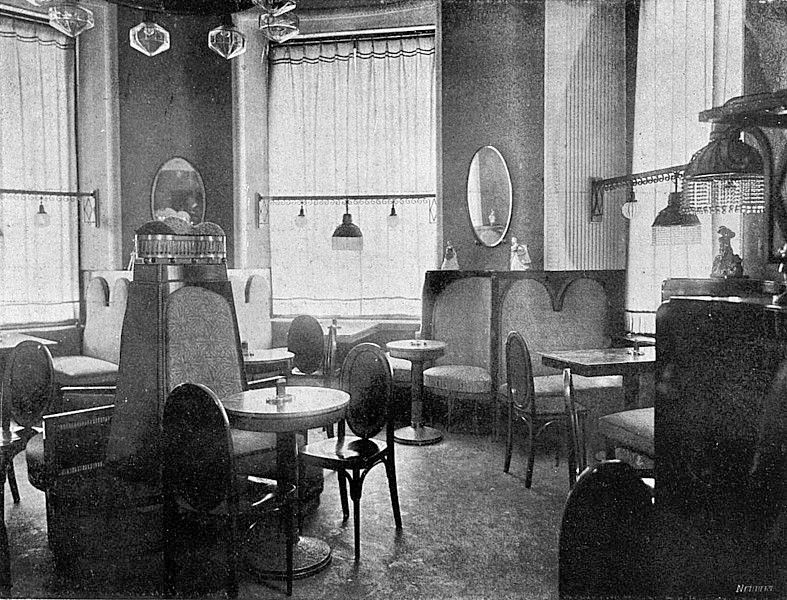
Brno’s cafés didn’t just appear overnight. Their evolution mirrors the city's complex history, from its time as part of the Austro-Hungarian Empire, through the world wars, the Communist regime, and into its present-day democratic transformation. Sparling’s knowledge allows you to understand how these cafés reflect the city’s social and political shifts.
During the Communist era, some cafés survived, but their atmosphere changed significantly. Kavárna Slavia, for example, remained open during this time, but like many places, it lost some of its pre-war charm. Under the Communist regime, cafés were subdued, serving as quiet gathering places where intellectuals and dissidents met discreetly to share ideas and dreams of a different future. Sparling’s stories about these cafés offer a glimpse into the endurance of Brno’s café culture through one of its most challenging periods.
One café that did manage to maintain a sense of continuity despite the political upheavals was Stopkova Plzeňská Pivnice. Established in the 19th century, this beer hall was not only a place for locals to enjoy a pint but also a space for lively debate and discussion, serving as an informal meeting point for artists, writers, and politicians over the years. It survived both world wars and the Communist era, and today it still stands as a testament to Brno’s resilience. Visiting Stopkova, you’ll sense the layers of history that have shaped it into a beloved institution.
The Modern Café Renaissance

While some cafés exist only in stories, many continue to thrive or have been reborn as modern versions of their historical predecessors. Today’s Brno café scene reflects the city's renewal and growth, blending tradition with innovation. As Sparling will show you, there’s something special about stepping into a contemporary café housed in a historic building. These spots are not just places to grab a coffee—they’re living links to the city’s past.
One such example is Hotel Avion’s café. Hotel Avion is a functionalist masterpiece designed by Bohuslav Fuchs in the late 1920s, and its café was once a symbol of modernism in Brno. After a long period of neglect, the hotel and café were recently restored to their former glory. Today, stepping into this café feels like stepping back into the optimism of the interwar years, when Brno was at the forefront of architectural innovation. Sparling’s stories about the original patrons of Hotel Avion’s café help connect its past with its modern revival.
Scala Café is another historical venue that has been rejuvenated in recent years. Located in a building that houses one of Brno’s oldest cinemas, Scala Café was once a lively meeting place for moviegoers and intellectuals alike. While the café has changed over the decades, today it continues to serve as a hub of social and cultural life in Brno, bridging the gap between its glamorous past and its vibrant present.
More Than Coffee: A Window into Brno’s Soul
As Don Sparling will explain, Brno’s cafés are more than just places to grab a quick coffee—they are social and cultural landmarks, representing the heart and soul of the city through different eras. By exploring both the cafés that have stood the test of time and those that have faded into history, you gain a deeper understanding of how Brno’s identity has been shaped.
The stories of lost cafés aren’t just about nostalgia for a vanished world. They remind us how deeply intertwined these spaces are with the intellectual and cultural life of the city. Sparling’s ability to connect these historical threads with the contemporary café scene allows you to see Brno not just as it is today, but as it was in the minds of the people who shaped it.
Brno Today: Where Tradition Meets Innovation
As you explore the modern cafés of Brno, you’ll see how the past and present are continuously woven together. In Stopkova Plzeňská Pivnice, for instance, a lively beer hall that has remained a cornerstone of Brno’s social scene for over a century, you can almost imagine the same conversations of politics and philosophy that would have filled its air decades ago. The history contained within its walls still influences the conversations happening today.
The café scene in Brno today is a reflection of the city’s forward-looking energy, and yet it remains deeply rooted in history. With Sparling’s narrative skills, each café you visit—whether past or present—becomes part of a larger story about Brno itself.
Discovering Brno’s Layers Through Its Cafés
Exploring Brno’s cafés with Don Sparling offers far more than just a pleasant tour through charming coffeehouses. It’s a journey through the layers of the city’s history, from its vibrant café culture of the early 20th century to the quieter yet resilient establishments of the Communist era, and finally, to the innovative, diverse cafés of today.
While some cafés have disappeared, their stories live on, thanks to Sparling’s dedication to preserving the memories and significance of these spaces. By visiting both current and historical café locations, you’ll gain an intimate understanding of how these cafés shaped—and continue to shape—Brno’s identity.
So next time you find yourself in Brno, don’t just grab a coffee—let Don Sparling take you on a journey through time, one café at a time. Whether the cafés are still standing or exist only in memory, each one offers a unique window into the ever-evolving story of this remarkable city.